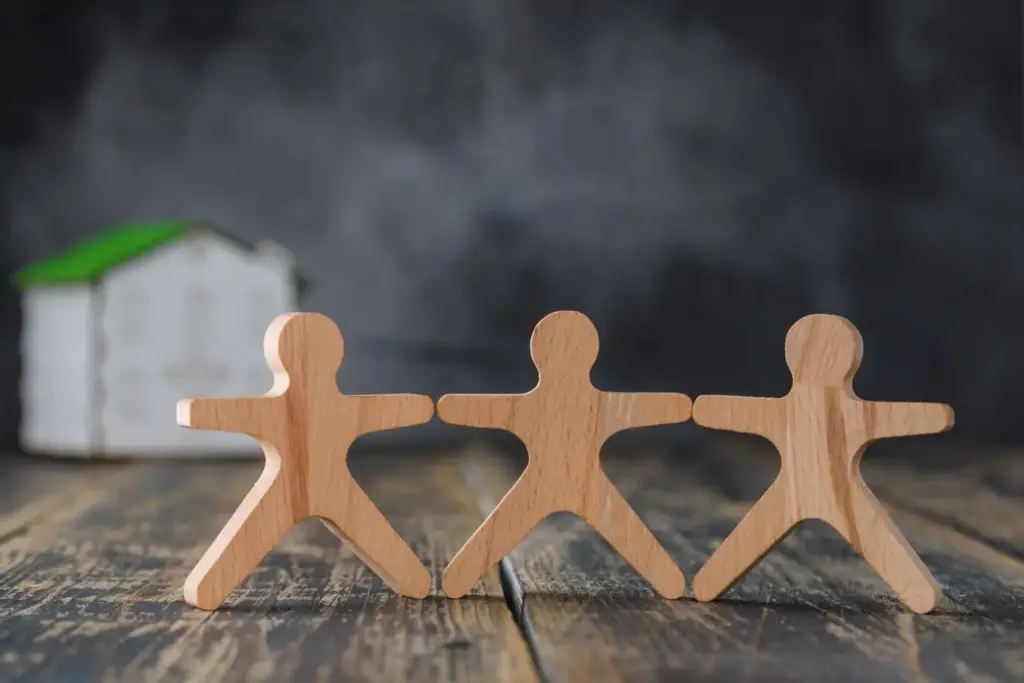
Everyday Equity at Home Starts with Small Habits

Today we dive into fairness in family life by teaching children equity through daily routines. We will explore practical rituals, language, and choices that help kids understand dignity, responsibility, and empathy. Expect stories, flexible tools, and invitations to try ideas tonight, then share reflections so we can learn together as a supportive, honest, growth-minded community.

Shared choices at breakfast

Rotate who proposes the breakfast menu, then collaborate to include at least one option that respects another person’s preference or dietary need. Naming the reason for a choice teaches perspective-taking. When a child hears, “We’re adding berries because your sister needs extra fiber,” they connect generosity to tangible wellbeing. End with appreciation around the table, reinforcing that thoughtful compromises feel good and build trust.

Getting-ready timers that feel supportive, not punitive

Use visual timers and gentle audio cues to guide morning tasks, emphasizing predictability over pressure. Explain that tools help everyone share time fairly, so no one’s needs dominate. If a child needs extra minutes for fine-motor tasks, offer that accommodation openly, modeling that equity means adjusting supports. Let another child choose the reminder sound, honoring choice while balancing the group’s flow and emotional safety.

Chores as lessons in dignity

Household work can feel heavy, yet it is a powerful classroom for equity. By rotating responsibilities, acknowledging invisible labor, and matching tasks to abilities, children experience fairness as shared contribution, not punishment. Clear expectations, choice within boundaries, and visible progress charts reduce conflict while elevating pride. When kids help shape the system, they value it. Celebrate effort, refine roles monthly, and invite feedback to keep motivation and respect alive.

Rotating responsibilities that feel meaningful

Create a simple rotation that includes both glamorous and less glamorous tasks, like setting the table and cleaning the sink. Discuss why every job matters for comfort and health, so status doesn’t distort participation. Let children trade tasks once per week, provided they propose a fair swap and explain their reasoning. This practice teaches negotiation, perspective, and compassion for work they once overlooked.

Adapting for ages and abilities without guilt

Explain that fairness means giving each person what they need to succeed, which may differ from what someone else receives. A younger child might sort socks while an older sibling handles recycling. A child with sensory sensitivities might wear gloves for certain tasks. Normalize these adjustments as wise, not special favors. Emphasize shared responsibility for outcomes, and gratitude for the unique strengths each person contributes.

Celebrating effort, not perfection

Praise the process: noticing initiative, creative problem-solving, and follow-through. Instead of redoing a child’s work silently, invite them to improve it with you, explaining the why behind a standard. Create a small ritual, like a weekly “hands that helped” shout-out. Children absorb that their contributions matter even when imperfect, encouraging persistence, courage, and long-term pride rather than anxious, approval-seeking behavior.

An agenda that welcomes every age

Keep a visible list where anyone can add a topic during the week. Before dinner, choose two items to discuss, ensuring at least one belongs to a younger voice. Appoint a rotating facilitator and a kindness monitor to encourage respectful turns. These roles help children practice leadership, listening, and empathy, understanding that well-run conversations distribute attention fairly and result in more satisfying, durable decisions.

Voting methods that teach nuance

Experiment with first-past-the-post for simple choices, and ranked-choice when preferences vary widely. Demonstrate how a candidate with broad moderate support can win under one system, while passionate minorities influence outcomes under another. Discuss perceived fairness openly, then choose the method before hearing proposals. Children learn that process shapes results, and that agreeing on how to decide is as important as agreeing on what to do.

Sibling fairness without keeping score

When siblings compare constantly, fairness becomes arithmetic instead of relationship. Shift the focus from identical treatment to meeting real needs. Name feelings, clarify expectations, and create rituals that build connection rather than tally sheets. Share stories when one child needed extra support and how balance returned later. Children learn that fairness breathes over time, honoring context and trust. Encourage them to notice generosity, not count favors.

Money, time, and privileges handled with clarity

Fairness thrives where expectations are explicit. Create transparent systems for allowances, screen time, curfews, and special privileges, linking them to trust and responsibility. Explain the why behind each rule, so kids experience structure as supportive rather than arbitrary. Post agreements where everyone can see them, and revisit seasonally. Invite questions, encourage appeals, and teach budgeting, trade-offs, and opportunity cost. Clarity calms anxiety and reduces endless negotiations.

Mini-retrospectives every Sunday

Gather for ten minutes to discuss one ritual that worked and one that needs tweaking. Let a child facilitate, capturing ideas on sticky notes. Decide a single change to test next week. Keep it playful and firm. This practice teaches continuous improvement, mutual accountability, and optimism, showing children that fairness is a living practice shaped by everyone’s observations and evolving needs.

A fairness jar filled with real voices

Place a jar and slips on the counter. Anyone can drop in a gratitude note for a fair act they noticed, or a request for improvement. Read a few each Friday and celebrate small wins. This simple ritual surfaces quiet perspectives, reduces nagging, and makes equity visible. Encourage readers to try it, then comment with photos or stories about what surprised the family most.

Closing the loop with community connection

Choose one small service activity each month—cleaning a park, cooking for a neighbor, or donating gently used books—and link it to discussions about fairness beyond your walls. Children see how daily kindness scales outward. Invite them to propose the next project and lead part of it. Share your experiences with us, subscribe for new ideas, and inspire other families to join the momentum.

Verirutexilinimelixali
Privacy Overview

This website uses cookies so that we can provide you with the best user experience possible. Cookie information is stored in your browser and performs functions such as recognising you when you return to our website and helping our team to understand which sections of the website you find most interesting and useful.